

Premises Liability in Texas: How Security Cameras Impact Your Slip and Fall or Negligent Security Claim
Premises liability in Texas requires property owners in Texas have a legal duty to keep their premises safe for visitors, tenants, and customers. When they fail to remove dangerous conditions or provide adequate security, serious injuries can occur—often leaving victims with medical bills, lost wages, and long-term trauma. If you’ve been hurt on someone else’s property, you may have the right to pursue a premises liability or negligent security claim with the help of an experienced slip and fall attorney in Texas.
Why Security Cameras Matter in Premises Liability Cases in Texas
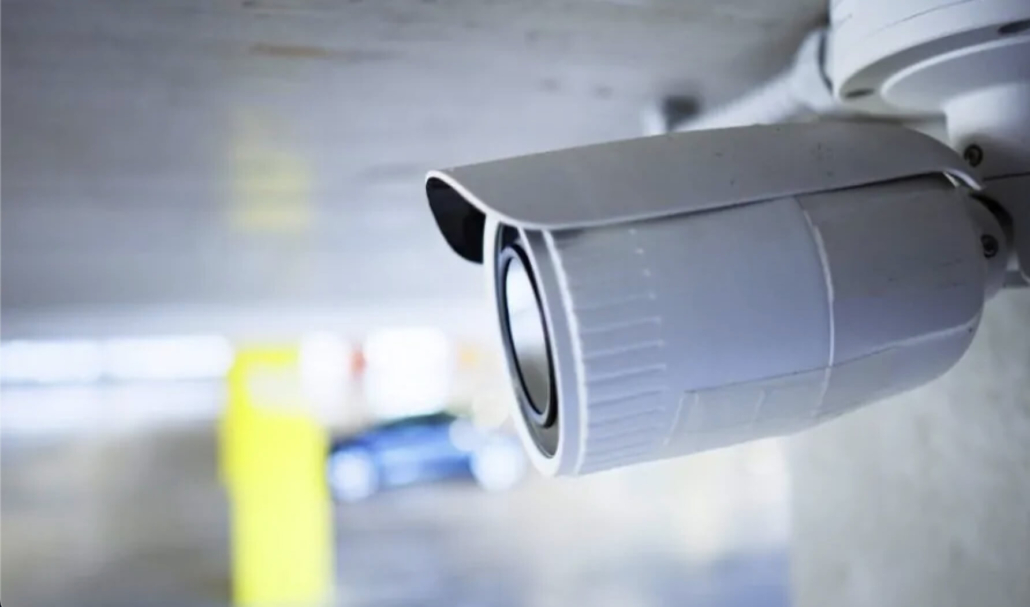
Security cameras aren’t just crime deterrents—they’re also key evidence in negligent security lawsuits. Property owners are expected to:
- Install and maintain proper security equipment
- Conduct routine inspections of cameras, lighting, and locks
- Work with local law enforcement and neighbors to address potential threats
When owners neglect these responsibilities, they may be held liable if a visitor is injured on their property.
The Critical Benefits of Security Camera Footage in Premises Liability Cases in Texas
Security camera footage provides objective, unbiased documentation of events that human memory and testimony cannot match. This video evidence offers several crucial advantages in premises liability cases:
Accurate Timeline Documentation
Security cameras record events in real-time with timestamps, providing an exact sequence of what happened before, during, and after an incident. This eliminates disputes about timing and helps establish the precise circumstances that led to an injury.
Clear Evidence of Property Conditions
Footage reveals the actual state of the property at the time of injury, including:
- Lighting levels and visibility conditions
- Presence of hazards like spills, debris, or damaged surfaces
- Weather conditions that may have contributed to unsafe situations
- Traffic patterns and crowd density that could impact safety
Witness Behavior and Response
Security cameras capture how witnesses, employees, and the injured party behaved during the incident, which can be crucial for establishing:
- Whether warning signs were posted or visible
- How quickly staff responded to dangerous conditions
- If proper safety protocols were followed
- The severity and immediate impact of the injury
Pattern of Negligence
Multiple camera angles and extended footage can reveal patterns of neglect, such as:
- Recurring dangerous conditions that weren’t addressed
- Inadequate maintenance schedules
- Insufficient security patrols or monitoring
- Previous incidents in the same location
Using Security Footage to Prove Negligence and Premises Liability in Texas
To win a negligent security or slip and fall case in Texas, you must prove that:
- The property owner owed you a duty of care.
- They failed to provide adequate security or maintenance.
- That failure directly caused your injury.
- The injury was foreseeable and preventable.
Security footage is often the strongest evidence. It can show exactly how the injury occurred and whether the owner ignored a dangerous condition.
Examples of inadequate security that may support a premises liability claim include:
- Insufficient or broken lighting
- Malfunctioning locks on doors or gates
- Missing or broken alarms
- Lack of security guards where reasonably necessary
Types of Security Systems and Their Evidence Value for Premises Liability in Texas
Fixed Position Cameras
Traditional stationary cameras provide consistent coverage of specific areas and are excellent for documenting:
- Entrance and exit points
- High-traffic areas where slip and falls commonly occur
- Parking lots and outdoor premises conditions
Pan-Tilt-Zoom (PTZ) Cameras
These advanced cameras can be remotely controlled and offer:
- Wide area coverage with detailed zoom capabilities
- Ability to track moving subjects
- High-resolution documentation of specific incidents
Motion-Activated Systems
These cameras begin recording when movement is detected, providing:
- Focused documentation of the actual incident
- Conservation of storage space for longer retention periods
- Automatic capture of unexpected events
Infrared and Night Vision Capabilities
Modern security systems with night vision features are particularly valuable for documenting:
- Poor lighting conditions that contributed to accidents
- After-hours incidents when visibility was compromised
- The adequacy of security lighting systems
How Long Do Businesses Keep Security Footage After an Injury in Texas?
You have two years from the date of your injury to file a premises liability or negligent security claim in Texas. But waiting is risky. Many businesses only keep security footage for 30 days, while some—like banks—are required to hold it for 90 days.
Industry-Specific Retention Periods
Different types of businesses have varying footage retention requirements:
- Retail stores: Typically 30-60 days
- Banks and financial institutions: 90 days (federally mandated)
- Hospitals and healthcare facilities: 30-90 days
- Hotels and hospitality: 30-60 days
- Transportation hubs: 30-90 days depending on federal requirements
If you delay requesting the footage, it could be erased before you ever file your claim.
The Importance of Immediate Evidence Preservation
Spoliation of Evidence
When security footage is destroyed or overwritten, it’s called “spoliation of evidence.” Texas courts take this seriously, and if a property owner fails to preserve footage after being notified of a potential claim, they may face legal consequences including:
- Negative jury instructions
- Presumptions that the destroyed evidence was unfavorable to the property owner
- Potential sanctions or penalties
Legal Notice Requirements
An experienced attorney will immediately send a preservation letter (also called a litigation hold notice) to the property owner, requiring them to:
- Preserve all relevant security footage
- Maintain backup systems and storage devices
- Prevent automatic deletion or overwriting of evidence
- Document their preservation efforts
That’s why it’s critical to act fast. An experienced premises liability lawyer can immediately request that the footage be preserved, ensuring key evidence isn’t destroyed. At Carter Law Group, our team has the resources to quickly obtain video evidence, build a strong case, and fight for the compensation you deserve.
Analyzing Security Footage with Expert Witnesses for Premises Liability in Texas
Video Enhancement and Analysis
Security footage may require professional enhancement to be most effective as evidence. Expert witnesses can:
- Improve image quality and lighting
- Stabilize shaky footage
- Create slow-motion analysis of key moments
- Provide frame-by-frame documentation of events
Accident Reconstruction
Video evidence allows accident reconstruction experts to:
- Calculate speeds and distances
- Determine angles and points of impact
- Assess whether safety equipment was functioning properly
- Compare actual conditions to industry safety standards
Speak With a Texas Slip and Fall Attorney Today
If you’ve been injured because of inadequate security, unsafe property conditions, or a slip and fall accident, don’t wait. Evidence disappears quickly, and businesses are under no obligation to keep security footage for long. Contact the premises liability attorneys at Carter Law Group today to protect your rights and pursue justice.
Remember: Every day that passes increases the risk that crucial security footage evidence will be permanently lost. Don’t let the clock run out on your right to compensation—act now to preserve your case and protect your future.
Learn more about your premises liability claims here.


